How to Set a Symptom Baseline Before a Specialist Visit
Learn how to set a symptom baseline before a specialist visit, including what to track, how long to track it, and how to notice when your baseline has shifted.

Zebra
For invisible chronic illness
Appointment Preparation
You said it in the room, and the notes don't show it. You can put your priorities in writing before the visit, ask for a note during it, and ask for a correction afterwards.
You described the dizziness, the joint that slips, the night you couldn’t sleep. Then you read the notes, and they mention none of it, or they say something you didn’t say. You can fix some of this before the visit, some in the room, and some afterwards.
Before: write your top three concerns and hand them over first. During: ask, “Could you add that to my notes?” After: read your notes. If something is wrong, ask the practice in writing to correct it. If they refuse, you can add a short statement saying you disagree. A clinician’s opinion usually stays in the record, but your statement goes with it.
A clinician writes the note for the next clinician, often after the visit and from memory. They summarise. A symptom you mentioned quickly, or one they didn’t ask about, can drop out. Sometimes the note records their interpretation, and you see it differently.
None of this means you explained it badly. It means that what you said aloud and what they wrote down can come apart. You can narrow the gap at each step.
Pick the three things that matter most for this appointment. Write each one as a sentence you could read aloud, with when it happens and what it stops you doing. For example: “Dizzy within a minute of standing, most mornings. I sit down to shower.”
Hand the list over at the start, or ask to read it out first. Three items fit on a glance; a long list may not get read. The specialist appointment guide and the appointment symptom checklist cover the rest of the preparation.
When you say something important, check that it lands:
If your clinician decides not to order a test or a referral you asked about, you can ask, calmly, for your request and their reason to be written down. “Could you note that I asked about a referral, and why we’re not doing it now?” This keeps a record of the decision, and it gives the next clinician the full picture.
In the US, a federal rule in effect since April 2021 generally requires providers to give you electronic access to your clinical notes, usually through the patient portal, unless an exception applies. Look for “visit notes”, “clinical notes” or “after visit summary”.
In the UK, ask your GP practice or hospital how to see your record. Many offer online access.
When you read the note, sort what you find:
| What you find | What it usually means | What you can do |
|---|---|---|
| A wrong fact (date, medicine, side, symptom you never had) | A factual error | Ask for a correction |
| Something you said that’s missing | An incomplete record | Ask for it to be added, with the date you said it |
| An opinion you disagree with | A clinical judgement | Ask for a statement of disagreement to be added |
| A typo that changes nothing | Minor | Usually fine to leave |
Start with the easy route: a message through the portal or a call to the practice, naming the visit and the line. A message through the portal also leaves you a written copy.
If that doesn’t work, put it in writing to the practice’s medical records or privacy office. Use their form if they have one. Keep a copy of everything you send and receive.
Request template:
I am asking for a correction to my medical record. Date of visit: [date]. Clinician: [name]. The note says: “[exact words]”. This is inaccurate / incomplete because: [one or two sentences]. I ask that it be changed to, or that the record add: “[your wording]”. Supporting information: [for example, your own dated symptom notes]. Please confirm in writing what you decide.
Under the HIPAA Privacy Rule (45 CFR 164.526), you have the right to ask a provider or health plan to amend your record:
Some states give you extra rights. This is general information, not legal advice.
Under UK GDPR you can ask for factual inaccuracies to be corrected. NHS guidance says a clinician’s professional opinion, if it was reasonable at the time, is usually not changed, but you can ask for a note of your disagreement to be added. Records are amended rather than deleted, and changes should be signed and dated.
The organisation should respond within one calendar month. It can extend by up to two more months for complex requests, if it tells you why within the first month. If it refuses, it must explain why. You can complain to the Information Commissioner’s Office.
Elsewhere, ask the clinic’s records or data-protection office how to request a correction. The rules differ by country.
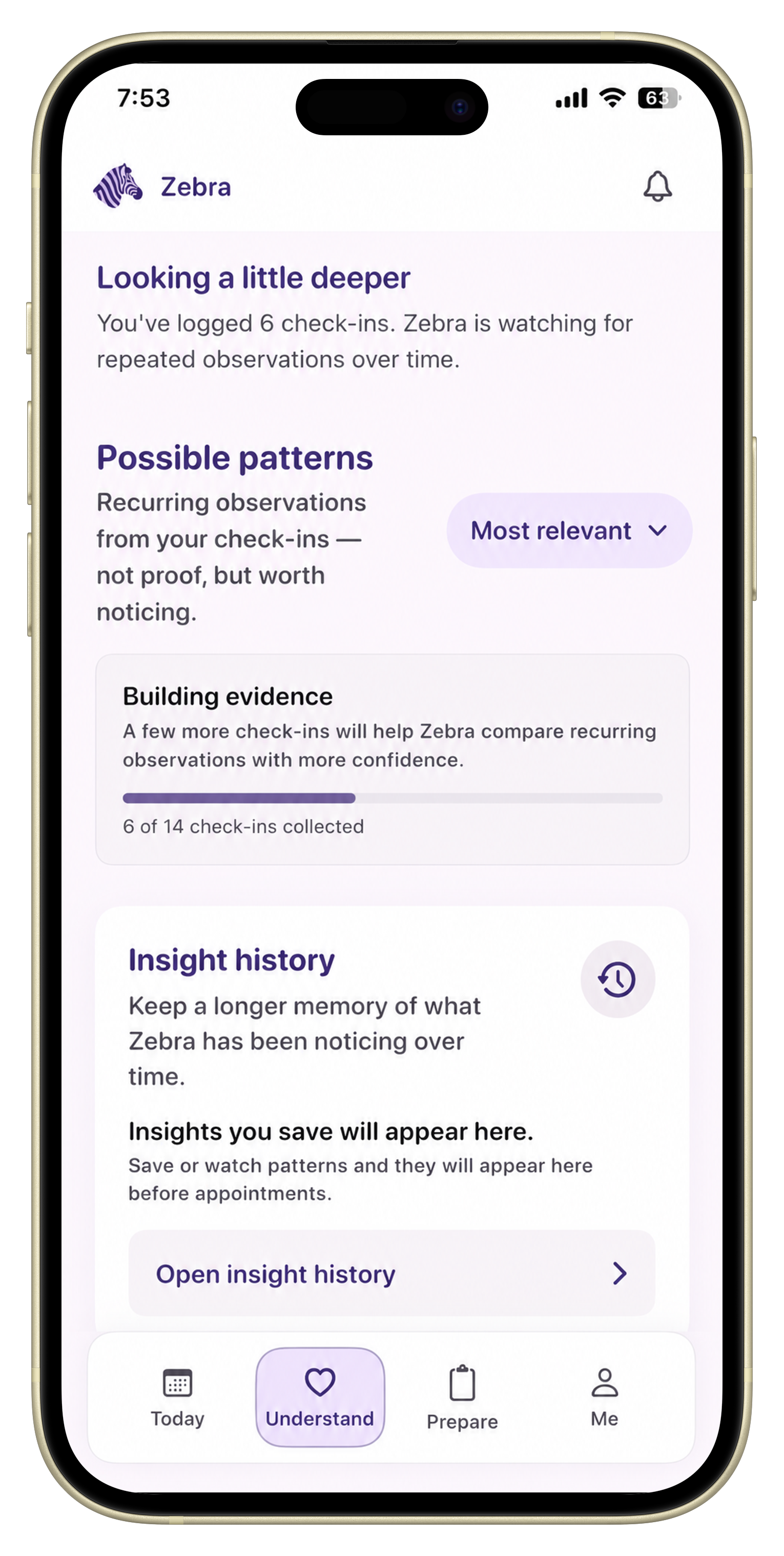
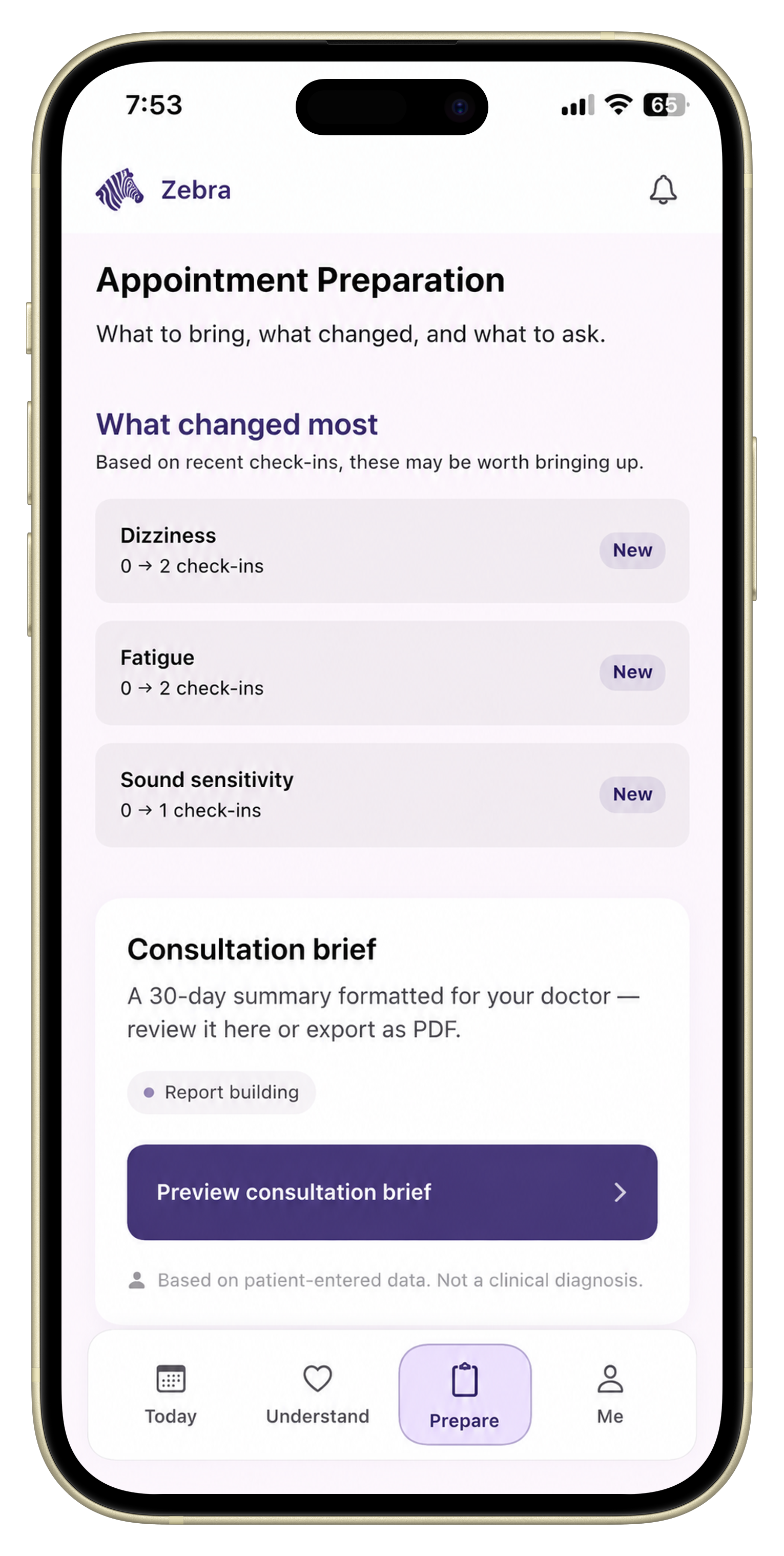
Zebra keeps your own record of what you want to raise, so the list exists before you walk in:
The visit list and the brief preview are free. Exporting or sharing the report as a PDF needs Premium. Zebra does not change your medical record, read your clinician’s notes, or diagnose anything. Your entries are your own notes, dated, which can help you remember what you raised and when. See Zebra’s doctor report and what a doctor-ready symptom report is.
In the US, a federal rule in effect since April 2021 generally requires providers to give you electronic access to your clinical notes, with some exceptions. In the UK, ask your GP practice or hospital how to see your record. Many offer online access.
You can ask. In the US, HIPAA gives you the right to request an amendment, and the provider must act within 60 days. In the UK, you can ask for factual inaccuracies to be corrected. In both, a clinician’s professional opinion usually stays, but you can add a statement saying you disagree.
Ask for the refusal in writing, then submit a short statement of disagreement to go with the record. In the UK you can also complain to the Information Commissioner’s Office.
No. Zebra helps you keep your own record of symptoms and the things you want to raise. It does not diagnose, change your medical record, or give legal advice.
Put this into practice
Save what you want to raise as it comes up, mark your Top 3, and bring a short brief that lists them first.
Download ZebraKnowledge hub
General information, not medical advice.
Keep exploring
Learn how to set a symptom baseline before a specialist visit, including what to track, how long to track it, and how to notice when your baseline has shifted.
A practical symptom checklist for preparing clearer notes before a doctor, specialist, or cardiology appointment.
A practical guide to choosing a symptom tracker that helps before specialist and follow-up appointments.
Learn what to track before a specialist appointment, including symptoms, flares, medications, function changes, and your top questions.